Provisions
On a canoe, the cook is really, really important. That's the fuel that runs the canoe, because if people aren't fed, people aren't happy. If people are unhappy, they don't get their jobs done.
Kaimana Barcarse, Navigator-in-training
When you and a dozen others step onto the small platform of a voyaging canoe that will be pitching and tossing across the Pacific for weeks, one thing becomes clear: You can't take it with you—at least, not all of it. So what will you bring?
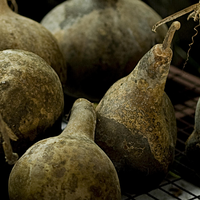
Ancient voyagers often had to bring with them not only provisions for the trip, but provisions for the rest of their lives. On board was fishing gear, along with gourds filled with water, coconuts, dried fish, and fruits that would provide for the daily needs of voyagers as they traveled. Also on board were pigs, dogs, and chickens, seeds and live plants—everything that might be needed to survive in a new, unknown land.
The pressure to select and protect live cargo must have been immense. On a one-way trip to who-knows-where, the canoe carried all the species that travelers relied upon for food, clothing, construction, and the needs of daily life. If the pigs were to die, there would be no pigs. If the 'ulu cutting withered, there would be no 'ulu tree wood, no breadfruit to eat, no sap for canoe repairs.
For modern voyagers, provisions are a less desperate matter. There's no need to worry about keeping plants and animals alive on the journey. You know you can get what you need when you get where you're going.
That said, packing for a modern canoe voyage is still a weighty matter, and the packing list looks much the same as for a long backpacking trip into the wilderness: water, nonperishable meals (think pasta and canned beans), a sleeping bag, a select and sturdy set of clothing, first aid and medications, a light source, and any of the things you can't imagine going a few weeks without—books, music, a journal, and yes, fishing gear. (Fresh sashimi is one of the delights of ocean travel.)
Water is the heaviest burden—a gallon of water per day per person. It must be stored and used in a carefully balanced arrangement, lest it disturb the steering and tracking of the canoe. When it rains, the crew uses tarps to catch the rainwater and refill empty bottles. Meals are also packed systematically, in bins marked "Day 1" and "Day 2," etc., for easy access.
In a broader sense, preparing for a voyage has to do with not only what you bring, but also what you leave behind. Navigators counsel their crew members to make whatever arrangements are necessary to take care of responsibilities at home so that they can set out to sea untroubled.
Related Material:

Breadfruit was a staple food for early Polynesians. Also, the sticky white sap the unripe fruit exudes was useful for canoe repairs.

With a great number of medicinal uses, noni fruit was one of the 25 or so plants brought to Hawai'i by the ancient Polynesians.

Fishing gear was near the top of the packing list for yesterday's voyagers, and remains so today.

Traditionally, hollow gourds called ipu were used to carry water and food on voyages.

Good meals are key to a good voyage.