
Purposeful Play vs. “gamification”
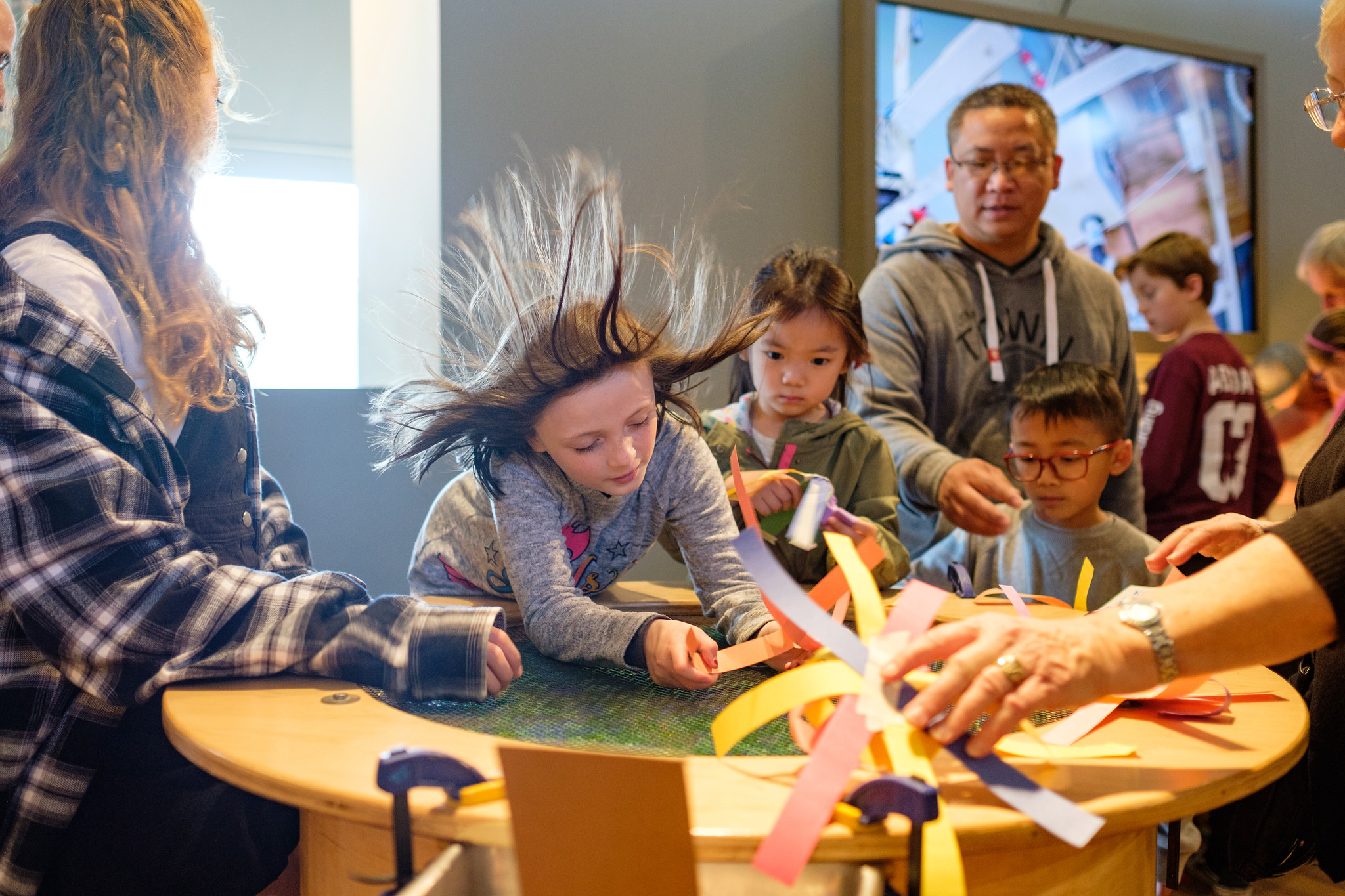
A recent conversation sparked a series of reflections around the distinction between “games” and “play” that I think have deep relevance for the tinkering learning approach we love. When thinking about games and gamified approaches to learning, language can be tricky and unhelpful, because we often talk about playing a game as if the structure of a game in and of itself guarantees a playful approach. But I think a useful distinction can be made between the two.
To me, a game is primarily defined by having a set of rules, where both the goals to strive for and the ways to achieve them are defined within the context of the game itself. A game can be playful, but you could easily imagine a game that lacks playfulness, like a very analytical game of chess, for example. Of course, the same game can also be approached in a playful way and emphasize risk-taking and fun, but it probably will come at the expense of your chances of winning the game.
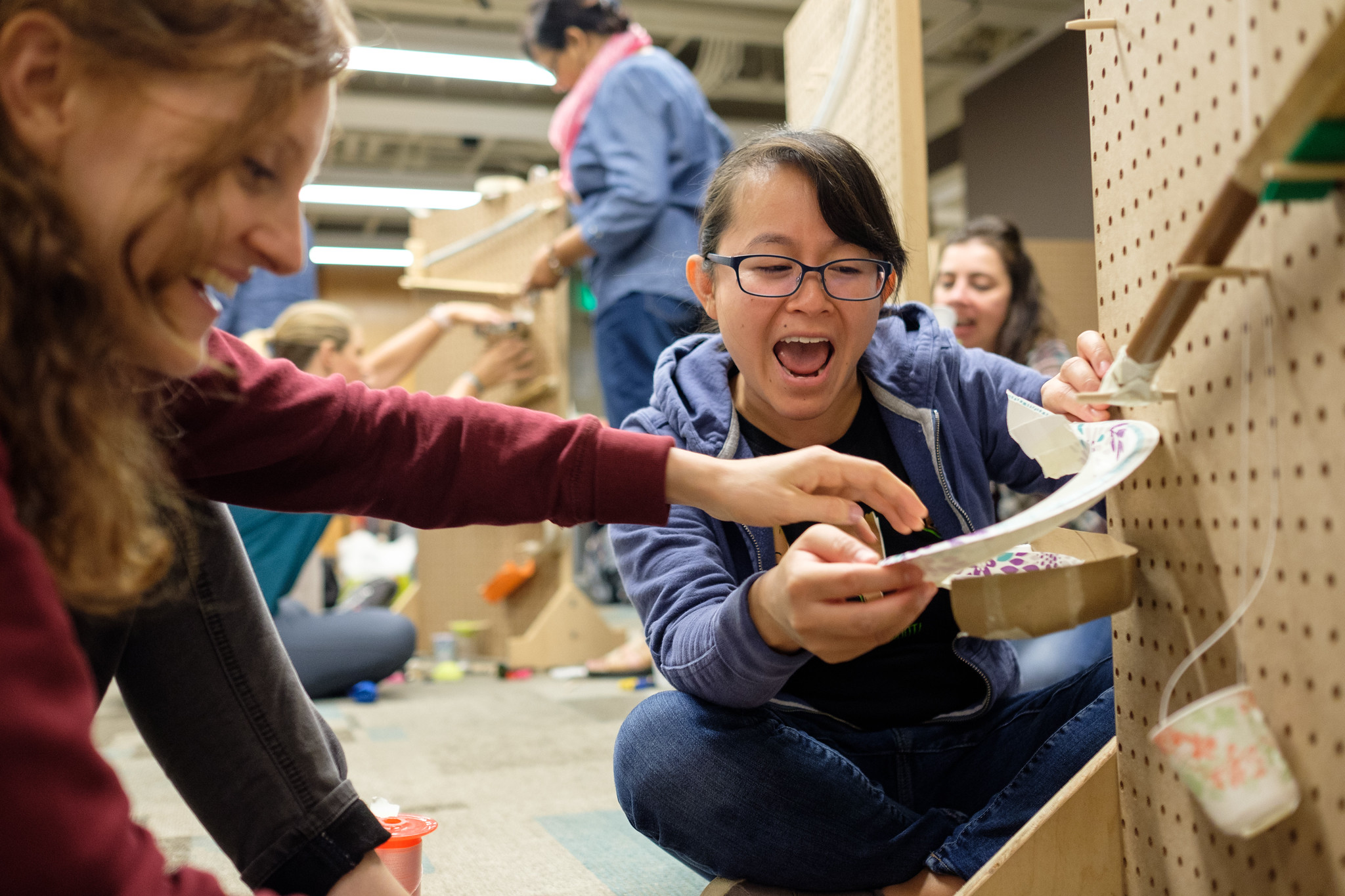
Play, on the other hand, is an approach that is centered in free exploration, risk-taking, joy, fun, and elements of delight and whimsy. I think that playfulness is an attitude, so it's difficult to define objectively or precisely. For me it involves a feeling of freedom from consequences, so it allows me to explore directions, strategies, and behaviors with more risk-taking. When I'm playing I am less concerned about the outcome and more with having fun, maintaining a lighthearted and positive attitude, and also staying in good and positive relationships with the other people I'm playing with.
The extent to which playfulness can coexist within a game may depend on the specific goals and mindset of the players involved. While some games may strongly emphasize competitiveness and winning, it is up to each individual to choose their attitude towards the game. If a player values the playful and exploratory aspects of the activity over winning at all costs, they can approach the game with a more lighthearted and playful mindset.
Games, particularly educational games, can be designed to provide structured learning experiences and help develop specific skills and knowledge. In this gamification of learning, the game designer typically has specific learning objectives and content they want the learner to absorb. The game is designed with a particular agenda in mind, aiming to engage and “manipulate” the learner into acquiring specific knowledge or skills, in a sleek disguise for yet another instructionist approach. Like a hidden conductor, games subtly drive learners on a prescribed path to predetermined goals. The sad thing is that the rigidity of this approach may ricochet against the open-ended and divergent thinking steeped in the essence of play.
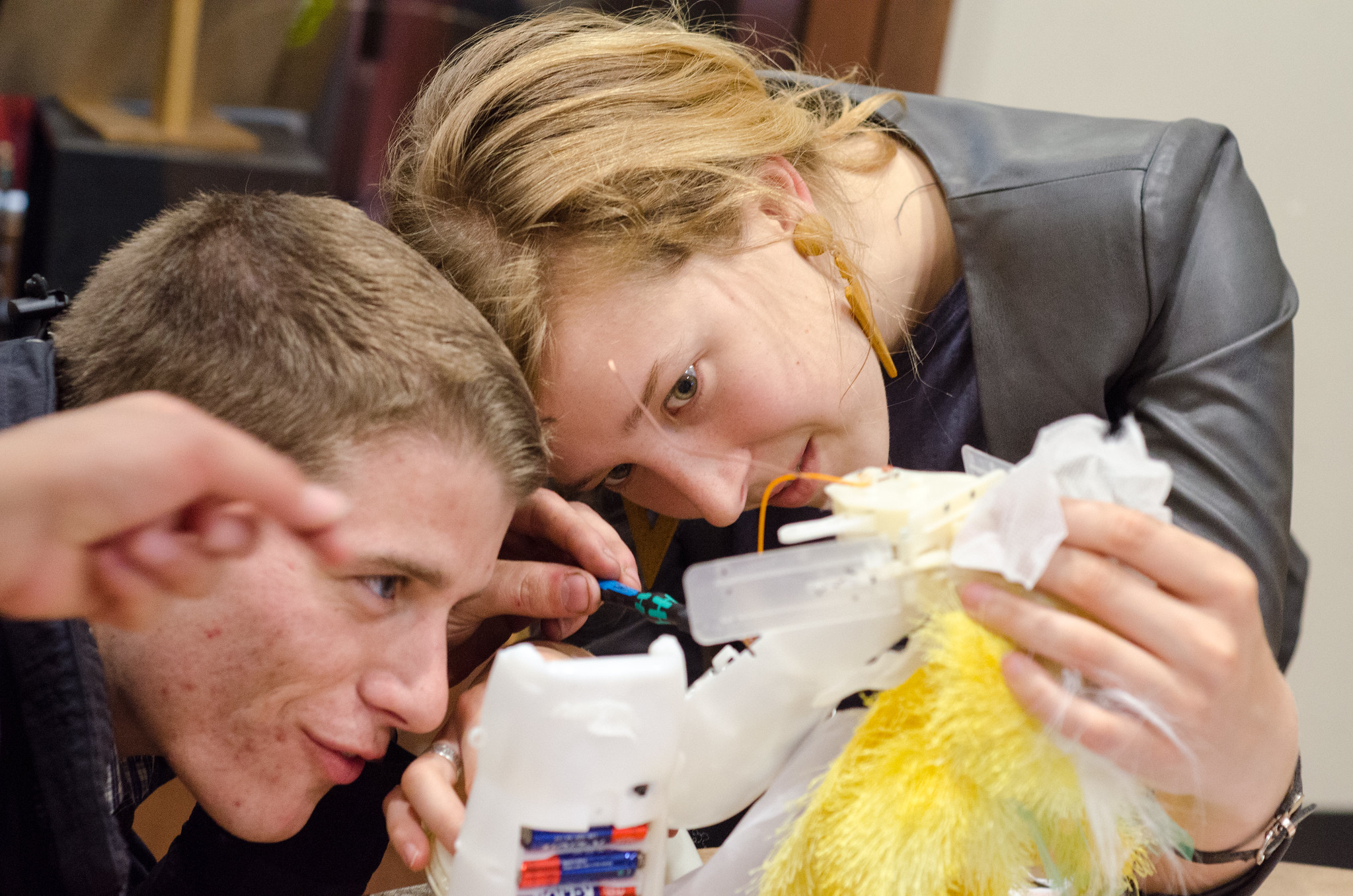
Play, on one hand, allows for learners to come up with solutions that weren't anticipated, innovative, and creative. On the other hand, it also has the potential for devolving into unfocused, unproductive messing about that doesn't really move the needle on a person's knowledge.
The balance, for us, lands in an idea that sounds faintly contradictory: we call it “Purposeful Play.” By that we mean that the playful attitude is aimed at the exploration of the phenomenon, and generally kept within the right boundaries.
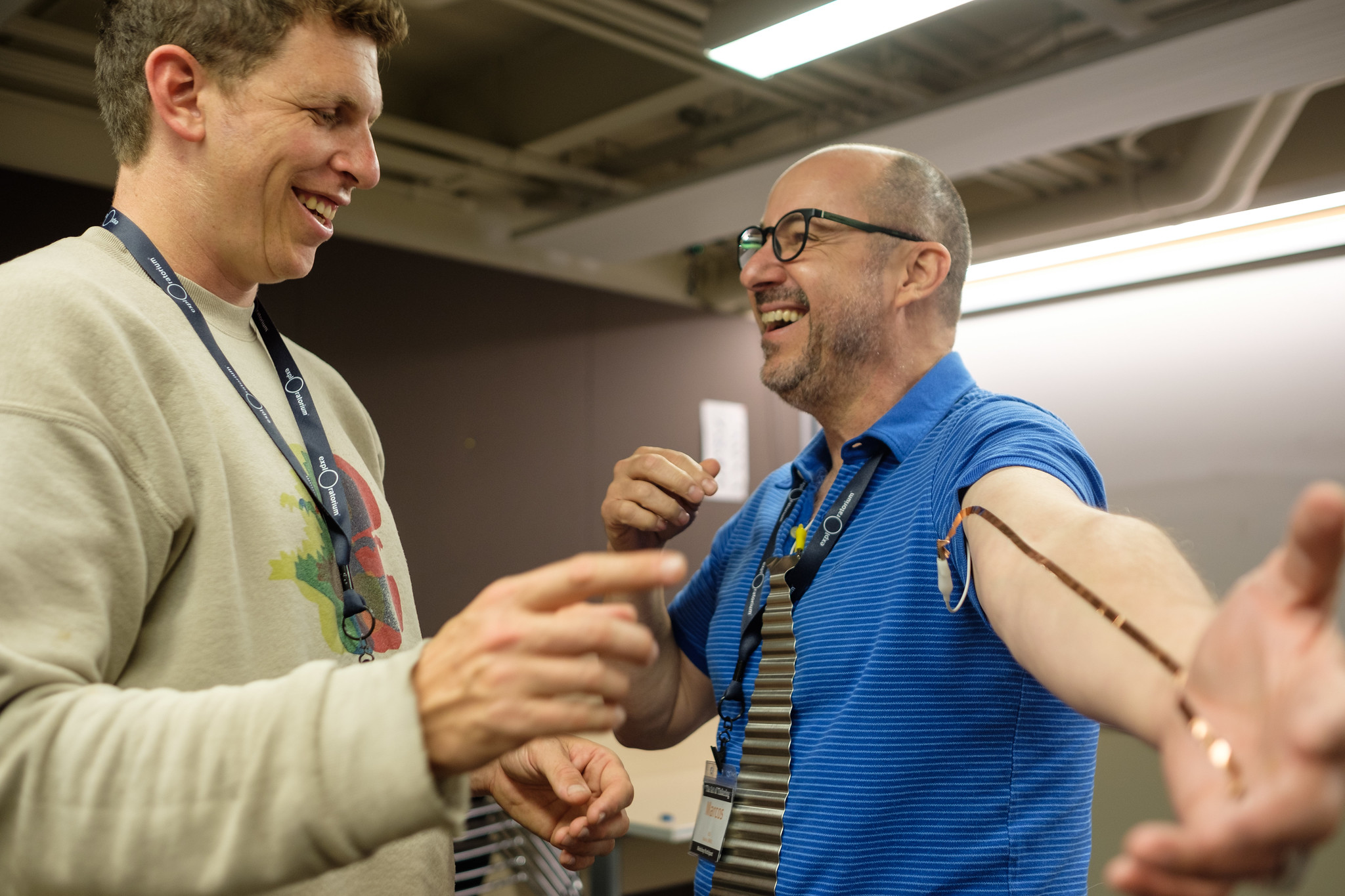
There is sometimes a misunderstanding that the nature of play, unlike the rule-bound gamification strategies, falls into the opposite extreme: that liberating the learner means dumping a pile of materials on a table and saying “build whatever you want!” But tinkering is not unstructured free-for-all; we’re actually not advocating for the educator to abdicate their role and responsibility to lead. The interesting work sits in the nuanced space between the two extremes, and the best image I've found for it is that you can't steer the ball, but you can tilt the floor. The educator builds a context carefully constructed to explore an interesting phenomenon, and then has to do something rather challenging: let go of the need to control what gets learned, or exactly how. Instead, their role becomes that of tilting the floor in the direction of the phenomena and of tinkering.
To stretch the metaphor further, we could say that it is important to be mindful of the angle. Too gentle, and the play just dissipates into the unfocused messing-about we worried about above; too steep, and it becomes a funnel narrowing exploration down a prescribed path, starting to feel like instructionism in disguise. The reason why we call it the “art” of tinkering is that there is no precise formula for how to find that right angle; you read it in the moment, per group, sometimes per kid. And the reason we design activities to be direct explorations of a phenomenon, and why that matters so much, is that it gives all those wild, half-formed, often-wrong ideas something to be about. To paraphrase Seymour Papert: you can’t think seriously about tinkering without thinking about tinkering with something. A try that fails against a real phenomenon isn’t a loss; it’s information, a small report back from reality, and the next try is better for it. And that accumulation of iterative attempts eventually starts to compound into something that looks a lot like understanding.